


At Canberra Memorial Parks, our three distinct parks have long contributed to the Canberra community and the surrounding region. The historical value of our parks provide a strong foundation for our future, with Southern Memorial Park expected to continue this legacy in the next decade.
The team at Canberra Memorial Parks, formerly Canberra Cemeteries, takes pride in caring for and developing these beautiful green spaces and preserving our history, including the resting place of some of the district’s pioneering families, political leaders, Australian soldiers and ancestors who helped build the nation's capital.
Canberra's oldest cemetery
The history of Canberra's cemeteries begins in north Canberra where a small bushland cemetery was dedicated in the suburb of Hall in 1883. It’s the oldest cemetery in the ACT that is still in use, with the first burial in 1907 of Bessie Lillie Shumack, who was just three months old at the time. It was managed by trustees under NSW legislation until management was transferred to the ACT in 1988.
Hall cemetery is the last resting place for many prominent families in the region including the Southwell, Gribbles, Browns and Butt families. The famous South-African Australian novelist, Bryce Courtenay, who wrote over 20 books and is well known for his novel about apartheid, The Power of One, was buried at Hall Cemetery in 2012.
The burial headstones and monumental allotments are fully subscribed now at Hall Cemetery, however the interment of ashes is available in the cemetery's Memorial Garden.
Environmental significance of Hall
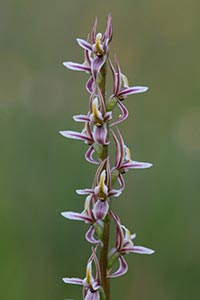 Cemeteries are historically known to be useful reserves for plant species, as they remain generally undisturbed. At Hall Cemetery, the Australian native bushland boasts various endangered plant species, including the Tarengo leek orchid or Prasophyllum petilum. This officially endangered orchid is thought to only exists in four other locations in Australia and is one of the many reasons that mowing and grounds keeping is limited at Hall Cemetery.
A cemetery for Canberra's south
In 1936 Woden Cemetery was opened in the suburb of Phillip. Spanning 12 hectares, it shares lands with Eddison Park in Canberra's south. With a European design and mature, large trees, it is divided into denominational sections and includes monumental, plaque-beam and headstone lawn sections and ash interments. The park also commemorates 31 service personnel of WW2 who are listed on the Commonwealth War Graves website.
Some notable burials in the grounds include:
- Ernest Albert Corey - Australian soldier
- John Treloar OBE - museum administrator
- Lewis Nott - politician
- Francis Patrick Dwyer - scientist
- Sergey Paramonov - entomologist
- Gordon Upton AO - diplomat
- George Knowles CBE - diplomat
- Robert Strachan Wallace - Vice-Chancellor of the University of Sydney
- Herbert Vere Evatt - Federal Leader of the Australian Labor Party, Justice of the Australian High Court, Chief Justice of New South Wales and President of the General Assembly of the United Nations
The impressive Christ the Redeemer Mausoleum was opened in 2002 in the grounds of the Woden Cemetery. This building represents cultural and social significance for Italian Catholic and Jewish families who value the historical meaning of mausoleums in Italy, dating back centuries.
In 2008, the ACT Heritage Council made Woden Cemetery a heritage site under S 10 of the Heritage Act 2004. Its beautiful entrance building and heritage home compliment the surroundings of this historic cemetery.
With Woden Cemetery nearing its burial capacity, ACT Government released the initial master plan for the future Southern Memorial Park in 2012. For more information on the Masterplan visit the ACT Government's Your Say Conversations website.
Our largest cemetery opens in Gungahlin
Gungahlin Cemetery was opened in 1979 in the northern Canberra suburb of Mitchell. It is the largest cemetery in the ACT spanning 40 hectares of lush and native bushland. Since its opening, the Gungahlin Cemetery has established an environmentally sustainable natural burial section and features many diverse places of rest, including an Aboriginal lawn for those of Aboriginal descent.
With an organic design and significant native plantings, Gungahlin Cemetery is predominantly non-denominational and offers monumental sections, plaque-beam and headstone lawn sections, natural burials and options for ash interments. It accommodates Canberra Memorial Parks’ administration centre, the Stringybark Room, a memorial hall which seats up to 100 people, and the Gungahlin Crematorium.
Gungahlin Crematorium
The crematorium in the grounds of the Gungahlin Cemetery was formally opened on 15 March 2021. The crematorium is the ACT's first public crematorium and includes a private viewing room, ideal for intimate services that provide family members with the choice of seeing the coffin enter the cremator, as a final goodbye to their loved one. Learn more about the Gungahlin Crematorium.
Hall Cemetery is the ACT's oldest cemetery with the first recorded burial in 1907 and now home to very rare and endangered plants including the Tarengo Leek Orchid.
Woden Cemetery, opened in 1936 on Canberra's southside, is a beautiful park for the community and for people to honour and celebrate the life of loved ones.
Gungahlin is home to Canberra's largest cemetery, the ACT’s first publicly owned crematorium, Memorial Hall & Indigo Lounge for onsite funeral services.
Would you like to contribute to our history?
Our history at Canberra Memorial Parks is a living document and if you have information that you would like to contribute from your records we would love to hear from you.